What Is Oral Lichen Planus?
Oral lichen planus is a long-lasting condition that affects the inside of your mouth. It causes white patches, redness, or swelling on the gums, tongue, or cheeks. Sometimes, it can lead to mouth sores or discomfort. Many people want to know about oral lichen planus symptoms and how to treat them. While the condition is not contagious, it can be bothersome. Early care can help manage symptoms and prevent problems.
Common Symptoms of Oral Lichen Planus
Oral lichen planus symptoms can vary from person to person. However, some signs are more common than others. If you notice any of these, it is wise to talk to your dentist:
Sometimes, symptoms are mild and may go unnoticed. But if you have ongoing mouth pain or sores, you should seek advice.
Causes and Risk Factors
Doctors do not know the exact cause of oral lichen planus. However, it is thought to be linked to the immune system. In this condition, the body’s defense system attacks the lining of the mouth by mistake. Several factors may increase your risk:
Although anyone can get oral lichen planus, it is more common in adults, especially women over 40.
How Is Oral Lichen Planus Diagnosed?
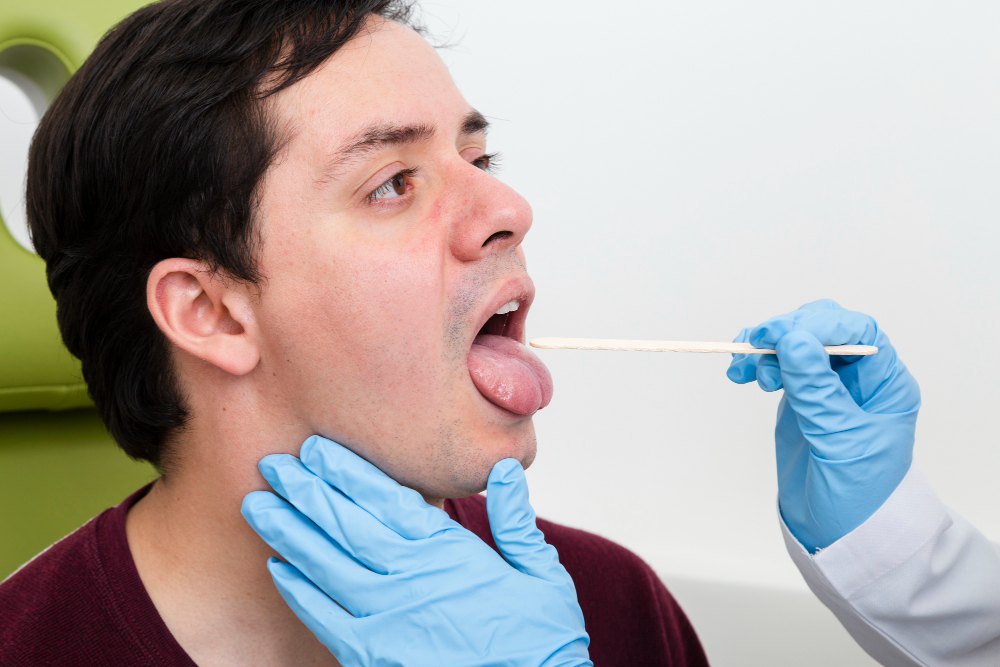
To diagnose oral lichen planus, your dentist will first look at your mouth. They may ask about your symptoms and health history. Next, they might gently scrape or take a small sample (biopsy) from the affected area. This helps confirm the diagnosis. Sometimes, blood tests are needed to rule out other causes of mouth sores. Early diagnosis can help you get the right treatment.
Treatment Options for Oral Lichen Planus
There is no cure for oral lichen planus, but treatment can control symptoms. Your dentist or doctor may suggest:
In some cases, stronger medicines may be needed if symptoms are severe. Always follow your doctor’s advice and let them know if treatments do not help.
Lifestyle Tips and Self-Care
Good self-care can make a big difference. Here are some tips to help manage oral lichen planus:
With these steps, you can help reduce discomfort and prevent flare-ups.
Prevention Strategies
While you cannot always prevent oral lichen planus, some habits may lower your risk:
Early action can help catch problems before they get worse.
When to See a Dentist or Specialist
If you have mouth sores that do not heal, or if you notice white or red patches, see your dentist soon. Also, if you have pain, trouble eating, or bleeding gums, do not wait. Sometimes, oral lichen planus can increase the risk of other mouth problems. Regular dental visits are important for ongoing care.
Conclusion
Oral lichen planus can be managed with the right care and support. If you have symptoms or concerns, consult a dental specialist at Mana Clinic for personalized advice about oral lichen planus